Government
Minneapolis closer to choosing next police chief as public weighs in
By Marcus Chen
Advertisement · Why this ad?
Marcus manages the day-to-day editorial workflow across all brands, coordinating coverage assignments and ensuring editorial standards are met. He previously served as city editor at the Pioneer Press and holds a degree in Political Science from Carleton College.
More from Marcus →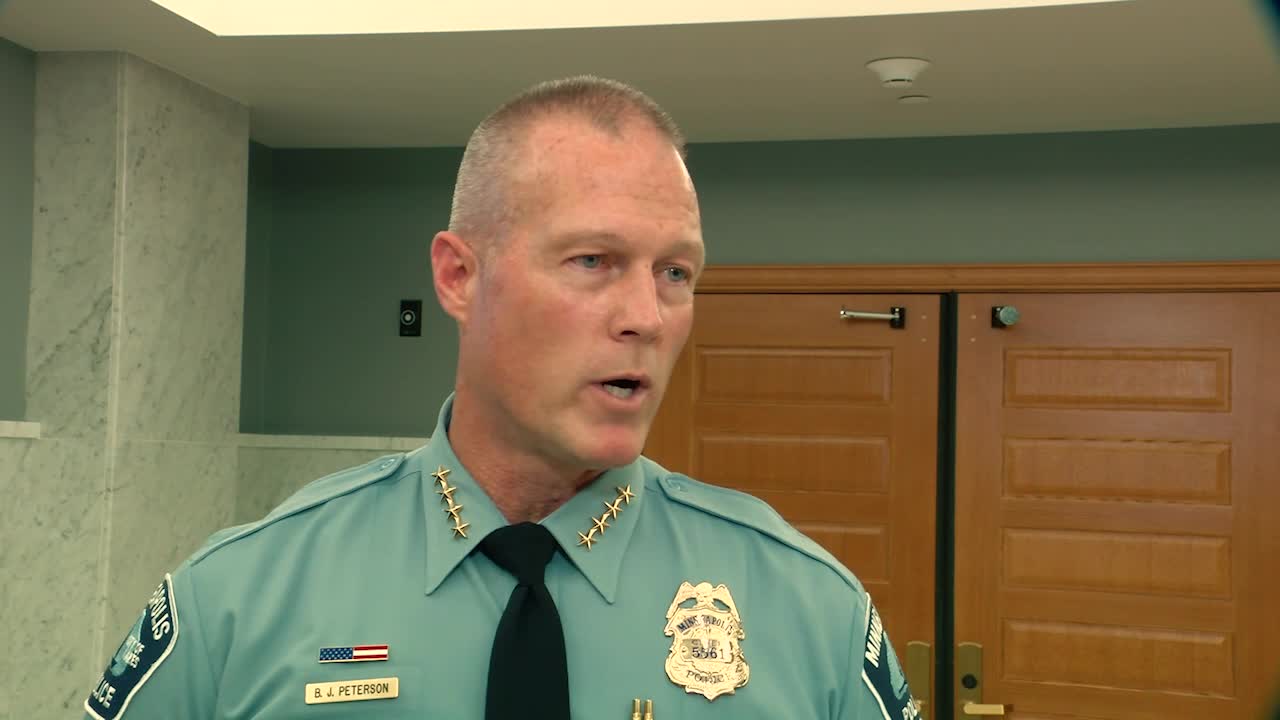
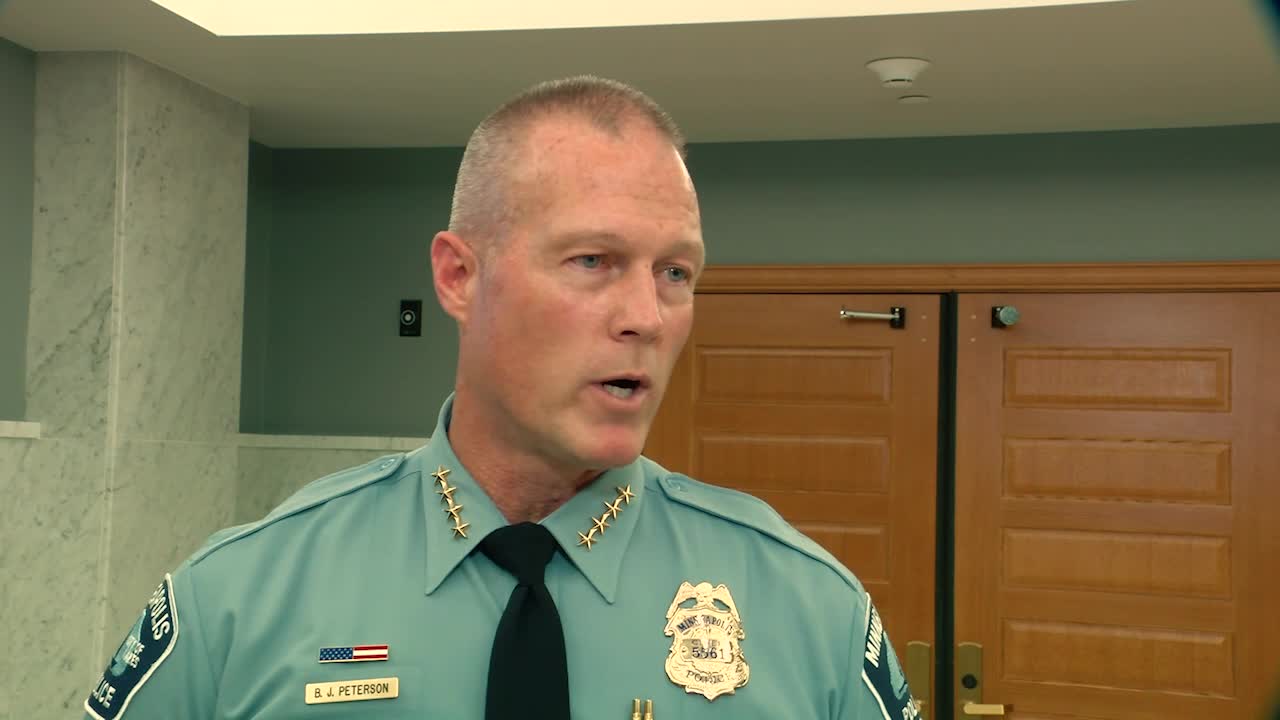
On a crisp autumn day in Minneapolis, Bill Peterson stands confidently at a community forum, engaging with residents about the future of policing in their city. As the interim police chief, Peterson has navigated the complexities of law enforcement in a time of heightened scrutiny and demand for reform. Now, he faces a pivotal moment: the chance to lead the Minneapolis Police Department permanently.
Minneapolis Mayor Jacob Frey has nominated Bill Peterson to become the permanent chief of police, a decision that has sparked considerable discussion within the community and the city council. Peterson, who has served with the Minneapolis Police Department since September 18, 1995, has built a reputation for fostering relationships and trust within the community. His extensive experience positions him uniquely to understand the challenges faced by both law enforcement and the residents they serve.
Despite his long tenure and the support he has garnered from various community members, Peterson's nomination is not without its challenges. Some city council members have expressed reservations, particularly regarding the notion that the next chief should be an outsider. Peterson addressed these concerns directly in a recent interview, stating, "As an internal chief, I’ve been here for 31 years now. I’ve built a lot of relationships, partnerships... I believe that I’m ahead of the game." His belief in the advantages of internal candidates stems from a deep understanding of the community's needs and the existing relationships he has cultivated over the years.
Peterson's nomination will be put to a vote at the upcoming city council meeting, where he will need the support of at least seven council members to secure the position. The dynamics of the vote could shift as more council members weigh their options and consider the implications of their decision for the community.
The community's response to Peterson's nomination has been largely positive, with many residents expressing their support for his candidacy. Local leaders and activists have come forward to highlight his commitment to community policing and his proactive approach to addressing crime and safety issues. Peterson's ability to connect with residents has been noted as a significant asset, especially in a city that has faced its share of challenges in recent years.
Three council members have publicly stated their support for Peterson, emphasizing the importance of continuity in leadership during a time of transition. They argue that his familiarity with the department and the community can help bridge gaps and foster cooperation between law enforcement and residents. As one council member noted, "Bill has shown that he understands the nuances of our community, and that’s crucial for effective policing." This sentiment resonates with many who believe that a chief from within the department can better navigate the complexities of local issues.
Despite the support Peterson has received, some council members remain skeptical. They have voiced concerns about the need for fresh perspectives and the potential pitfalls of promoting someone from within the ranks. A letter sent to Mayor Frey by several council members stressed the importance of considering external candidates, arguing that a new chief could bring innovative ideas and strategies to the department.
Peterson has acknowledged these concerns, stating, "I’ve had conversations with those council members, and I understand their concerns." He emphasizes that his long-standing presence in the department does not preclude him from being innovative or open to change. He believes that his established relationships can actually facilitate new approaches to policing, rather than hinder them.
The upcoming city council meeting will be crucial for Peterson's future. As council members deliberate, the community will be watching closely to see how their representatives balance the need for experienced leadership with the desire for change.
The implications of Peterson's nomination extend beyond the walls of the city council chamber. For many residents, the decision about their next police chief is personal. It touches on issues of safety, trust, and the overall quality of life in Minneapolis. Peterson's approach to community engagement has already made a noticeable difference, with residents feeling more heard and valued in the discussions surrounding public safety.
Local organizations and advocacy groups have rallied behind Peterson, citing his history of collaboration and transparency. For instance, community forums have become a platform for residents to voice their concerns and ideas, fostering a sense of ownership over public safety initiatives. Peterson's commitment to listening and adapting to community feedback has built a foundation of trust that many believe is essential for effective policing.
As the city grapples with ongoing challenges, including rising crime rates and calls for reform, the choice of police chief will significantly influence the direction of the police department. A leader who prioritizes community engagement and understands the unique dynamics of Minneapolis could help restore faith in law enforcement and promote a safer environment for all residents.
The next steps for Peterson hinge on the outcome of the city council vote. Should he secure the necessary support, he will be tasked with implementing strategies that address both community concerns and departmental challenges. This includes enhancing training programs, improving community relations, and ensuring accountability within the department.
Peterson has already indicated his commitment to reform, stating, "I believe in the importance of transparency and accountability in policing." His vision for the future includes not only maintaining safety but also fostering a culture of trust between officers and the communities they serve. This dual focus could prove essential in rebuilding relationships that have been strained in recent years.
As the city council prepares for the vote, community members are encouraged to voice their opinions and participate in the democratic process. The outcome will not only shape the future of the Minneapolis Police Department but also signal the direction in which the city is headed. A decision in favor of Peterson could mark a turning point, one that emphasizes collaboration and community-oriented policing as central tenets of public safety.
In the coming weeks, as discussions unfold and the community engages in dialogue, the hopes and concerns of Minneapolis residents will play a critical role in determining their next police chief. Whether Peterson is confirmed or not, the conversation surrounding policing in Minneapolis will continue, reflecting the community's desire for safety, trust, and effective leadership.
By Marcus Chen

By Marcus Chen

By Katherine Langford
By Katherine Langford